

Good morning,
The rainy season is officially over, and Tokyo, like many other places in the Northern Hemisphere, is already too hot. But despite my premature complaints in the previous letter, this summer has not yet been too grueling. Breathing is still possible if you work for it, and you might even consider taking a walk before 5 a.m. or after 7 p.m.
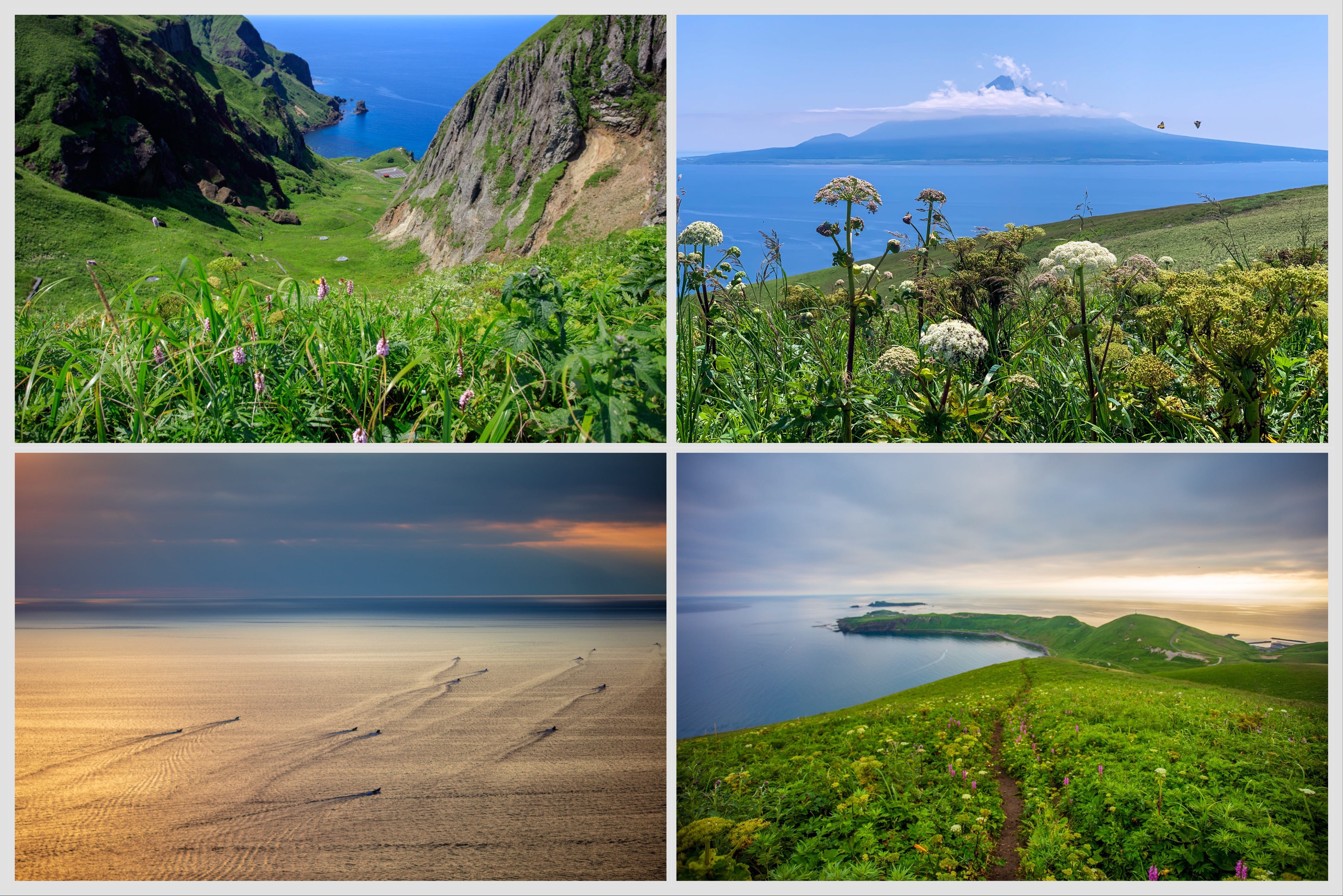
Still, the weather here feels a world away from where I was last week—the northern frontier of Japan where the mornings were a little chilly, the afternoon breeze felt heavenly, birds sang loudly, flowers were in full bloom, mountains were green, and the ocean was invitingly blue: Hokkaido—Japan`s second largest yet least populated island.
Murakami`s Hokkaido
I owe my first introduction to Hokkaido to Haruki Murakami, the internationally acclaimed Japanese author whose work I am a little too familiar with for a proud “not a fan.”
I don’t recall the exact year I read A Wild Sheep Chase, the author`s third novel, which tells the story of an advertising executive who travels to northern Japan in search of a sheep with a star-shaped birthmark. But I still vividly remember being intrigued by Murakami`s portrayal of Hokkaido in the book, presenting it as a lonely place almost begging to be explored.
The series of events in the novel, triggered by the receipt of a photo of a pastoral scene, takes the Tokyo-based protagonist and his girlfriend first to Sapporo, where they, possibly as the only guests, stay in the semi-abandoned Dolphin Hotel—described as a place “likely [already] run-down when it was built.” Next, they travel to a small town, the fictional Junitaki,1 where the residents almost worship the train line as the only thing keeping their long-forgotten town alive. Eventually, the couple ends up in a ghostly manor in the countryside. Each stop, which takes them deeper into the northernmost parts of Japan in search of a mysterious sheep, adds to the intrigue.
In A Wild Sheep Chase, Hokkaido struck me as a mysterious place, not only because of its largely untouched landscape but also due to the sense of abandonment and profound isolation it seemed to carry. So much so that when I first traveled to the island in the middle of winter many years ago, long before I moved to Japan, I was surprised to board the train from Sapporo to Asahikawa (just like Murakami`s protagonist did, though it was coincidental and I was not on some sort of Murakami pilgrimage) and see many other passengers. I remember feeling partially relieved but also slightly disappointed after mentally bracing myself for an eerily desolate territory.
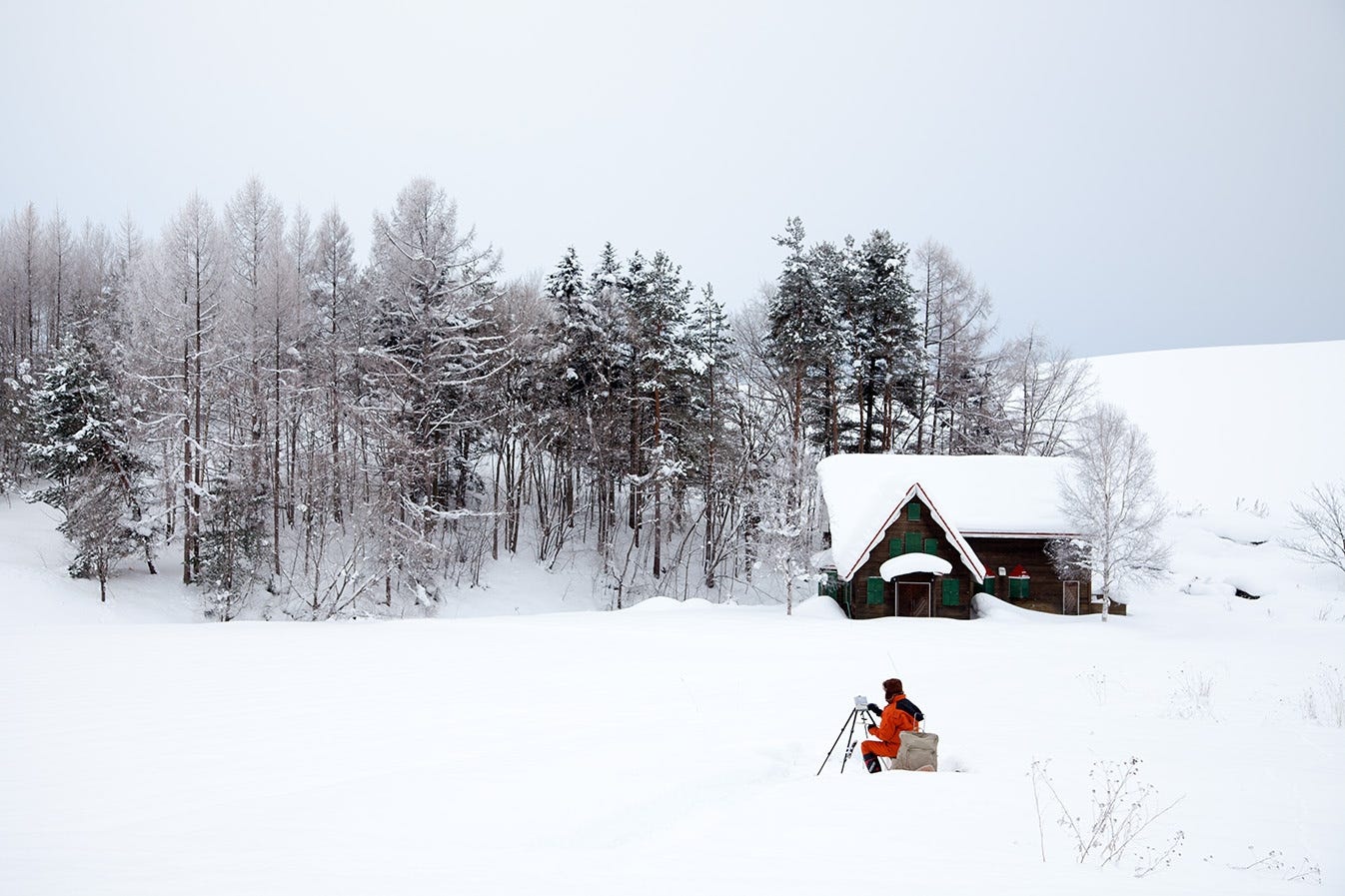
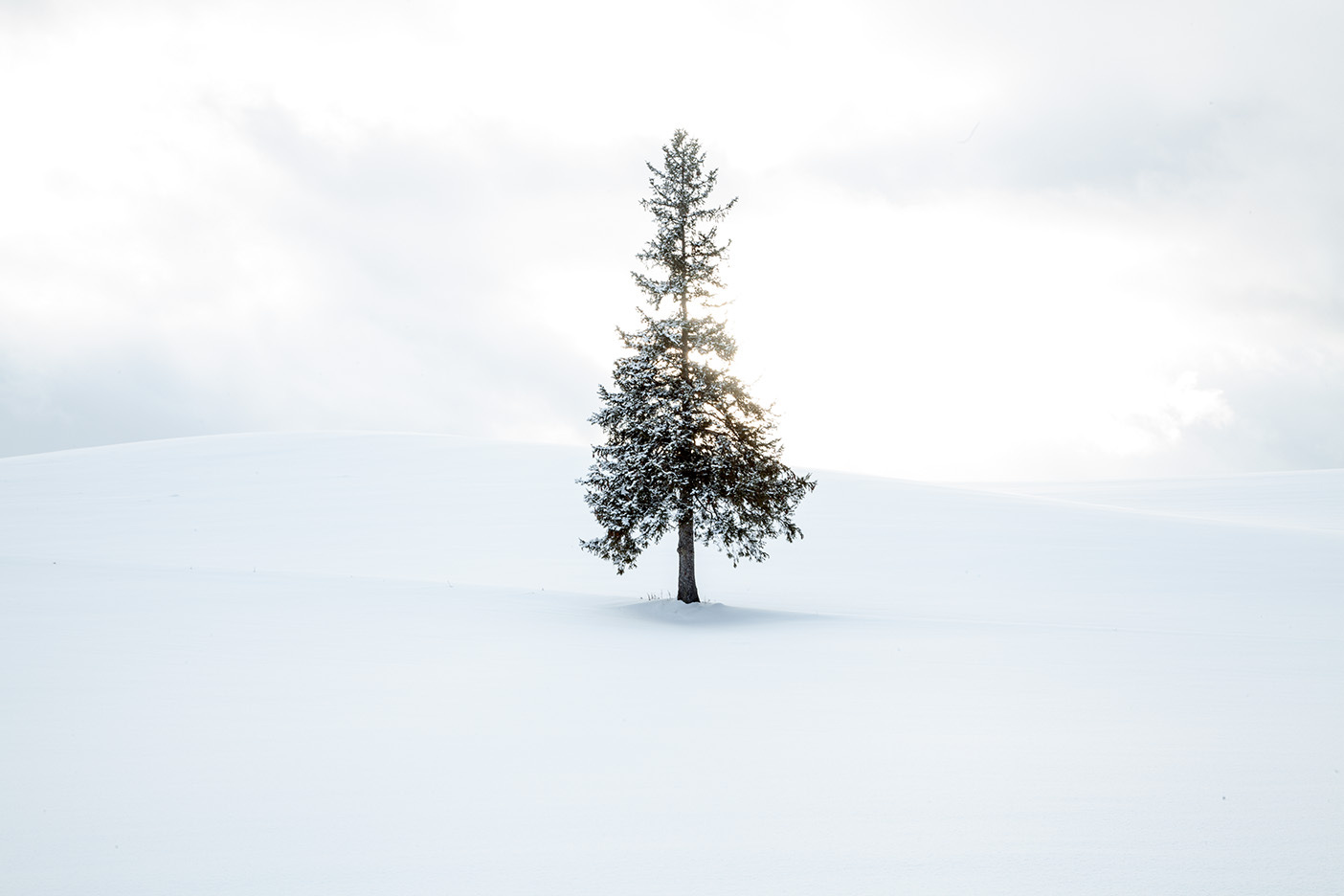
While the train bound for Asahikawa was almost as crowded as the Tokyo-Kyoto Shinkansen, that first trip to Hokkaido still rewarded me with some of the most isolated, powerful, and minimalistic winter landscape sceneries I have ever experienced. Yet, nothing felt even remotely as eerie as Murakami`s Hokkaido. Instead, the whole landscape mirrored a cozy winter scene out of a fairytale. There were no run-down Dolphin Hotels (where, to Murakami-san`s chagrin, there was not even a picture of a dolphin) but inviting cottages perfectly fitting the surrounding scenery.
Since then, I have revisited Hokkaido many times, including a hiking trip to Daisetsuzan National Park, which I mentioned in a previous letter as my favorite national park in the country. Another trip took me to Shireteko, a bear-infested territory known as one of the wildest places in Japan. Yet, it wasn't until my most recent trip, on my way to the most beautiful place I have ever been to in Japan, that I got a glimpse of Murakami`s Hokkaido.
Ghost towns of Japan
Thanks to an unusually promising weather forecast for the long weekend, I embarked on a three-leg journey to Rebun Island last week—a small island with a population of 2,500, located off the northern coast of Hokkaido.
The four-night trip began with a plane ride to Asahikawa, where I had only minutes to board the evening train bound for Wakkanai, the northernmost city in Japan. I planned to spend the night in the town and catch the first ferry to Rebun Island the following day.
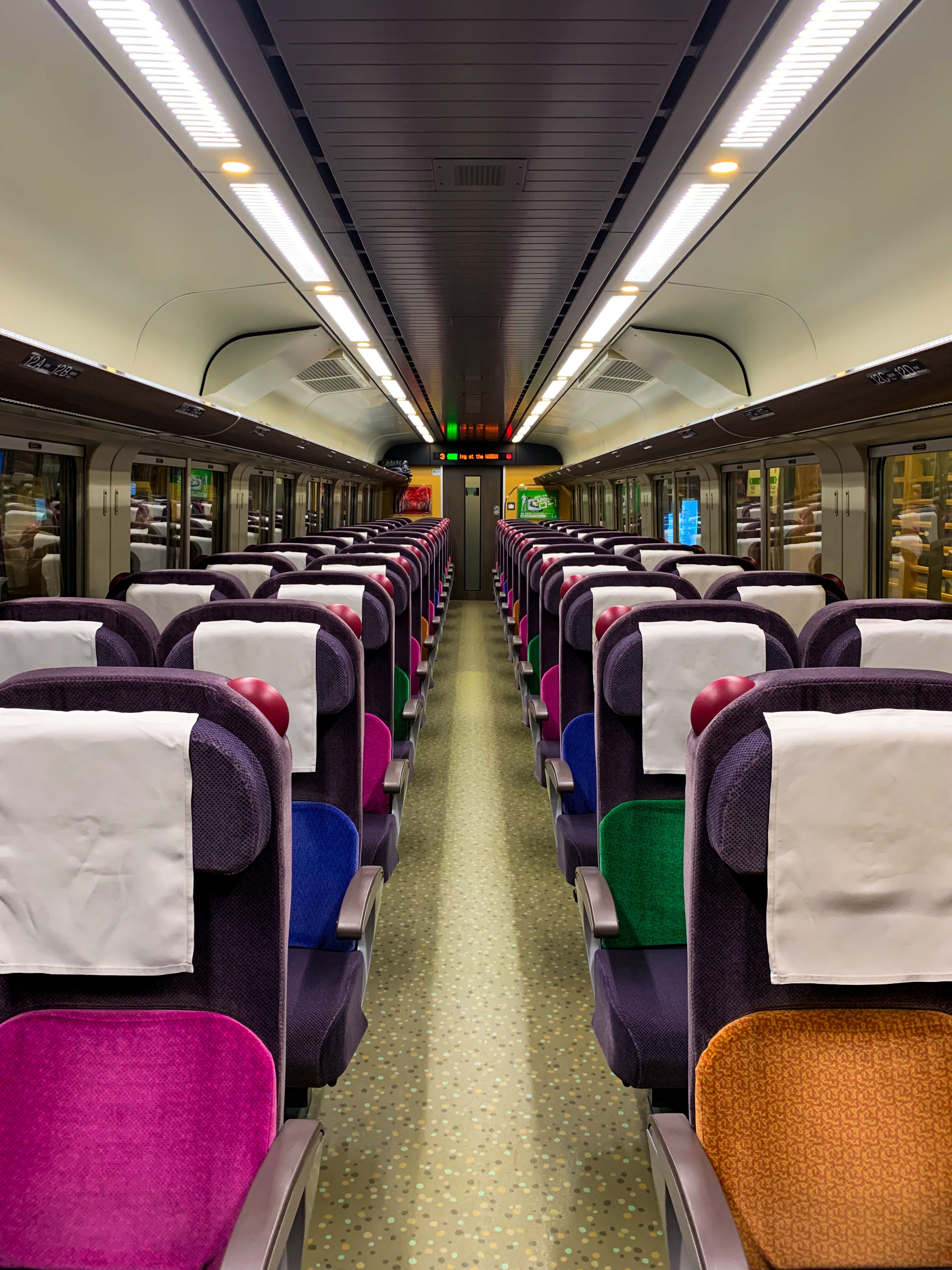
After all the rush and finally settling into my unnecessarily way-too-advanced booked seat, I suddenly realized that I was the only passenger in the carriage—possibly even on the entire train.2 This put, admittedly, a little smirky but a big smile on my face. Here I was, nearly a decade after my first trip to Hokkaido, finally experiencing the empty carriage that I once hoped for.
But, given the years that have passed and my growing familiarity with Japan, including a better understanding of its severe depopulation problem and the admirable efforts to maintain the transportation infrastructure even in the most secluded corners of the country despite steadily decreasing demand3, the lone carriage experience no longer felt mysterious or intriguing but somehow expected. Instead of mystery, I experienced a momentary camaraderie with the residents of Murakami’s fictional Junitaki town, sharing a sense of gratitude for the same piece of infrastructure connecting them to the rest of the world, and me to the remotest corners of Japan.
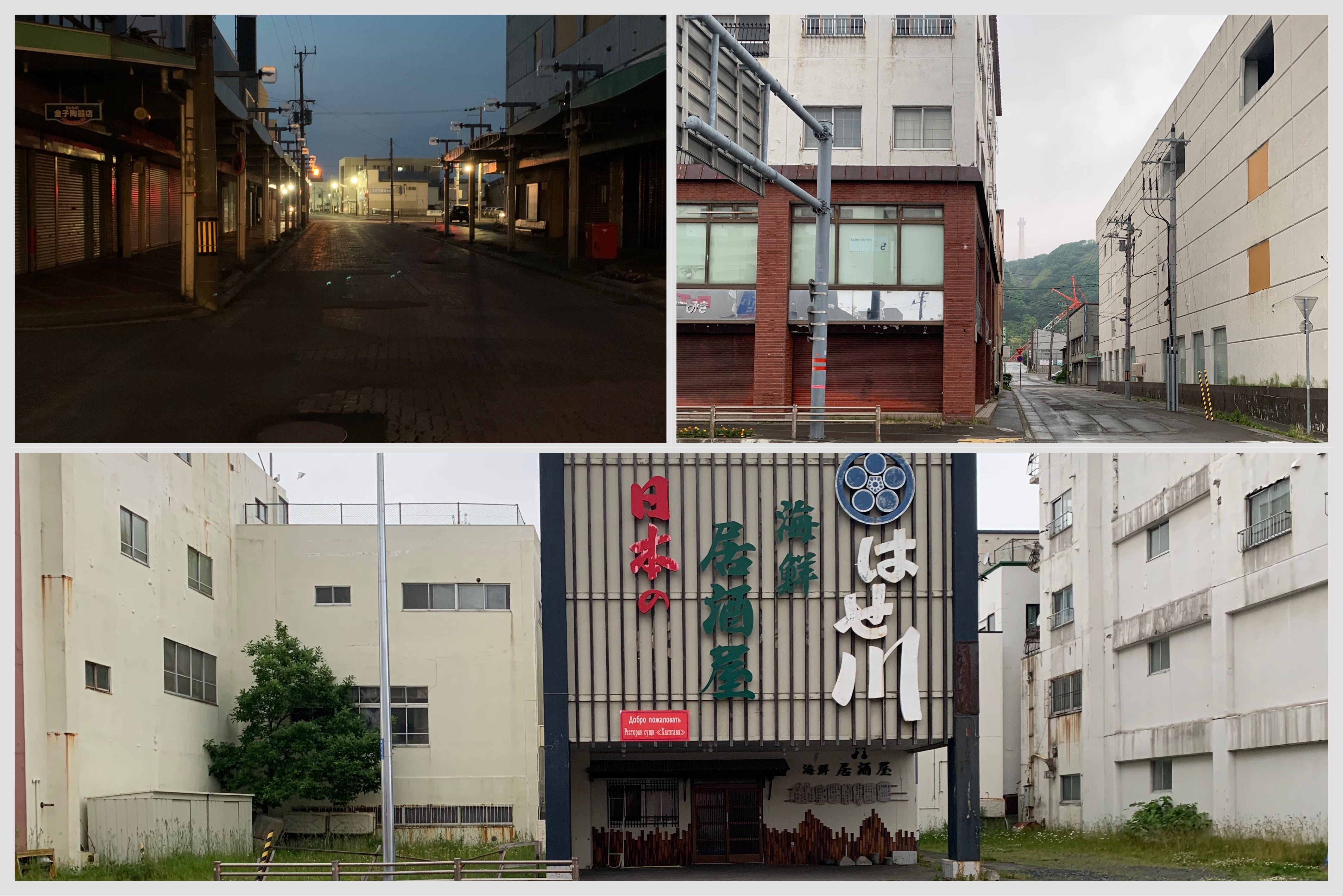
Then came Wakkanai, a city with 35,000 residents, which quickly proved to be one of those Japanese towns where the train station, with its architectural allure, starts to feel like an oasis as soon you step foot into the heart of the town.
In Wakkanai, not only did I find the Dolphin Hotel but an entire city that felt like one—a place where the street lights illuminated empty streets home to uninspiring concrete buildings, bringing Murakami`s description of Dolphin Hotel as “a giant matchbox” to life. A place where restaurants looked so old that you could not tell whether they were closed for the day or permanently. A place where I encountered, at best, only five of its 35,000 residents.
Granted, despite the initial shock, this scenery was not new to me; I had already witnessed a similar post-apocalyptic atmosphere in various other parts of Japan. Yet, nowhere did the experience feel as eerie as it did in Wakkanai. But, there was also a sense of mystery, making me curious about how a desolate place like this would feel in the dead of Hokkaido`s harsh winters. On my return trip to Tokyo, I had five more extra hours to spend in the city. After walking for at least an hour and not finding anywhere to eat but spotting plenty of buildings where the Dolphin Hotel scenes could be filmed if A Wild Sheep Chase ever turned into a movie, I ended up sitting at the bus stop for three hours and waiting for the overnight bus to Sapporo.
In search of Edenlike beauty
Then came the journey's next, main, and final stop: Rebun Island, offering such a stark contrast with my previous stop that I was tempted to lazily use the cliché comparison of heaven versus [insert antonym] in the title of this letter—only if I did not have too much affection for Japan ever to use that word in this newsletter.
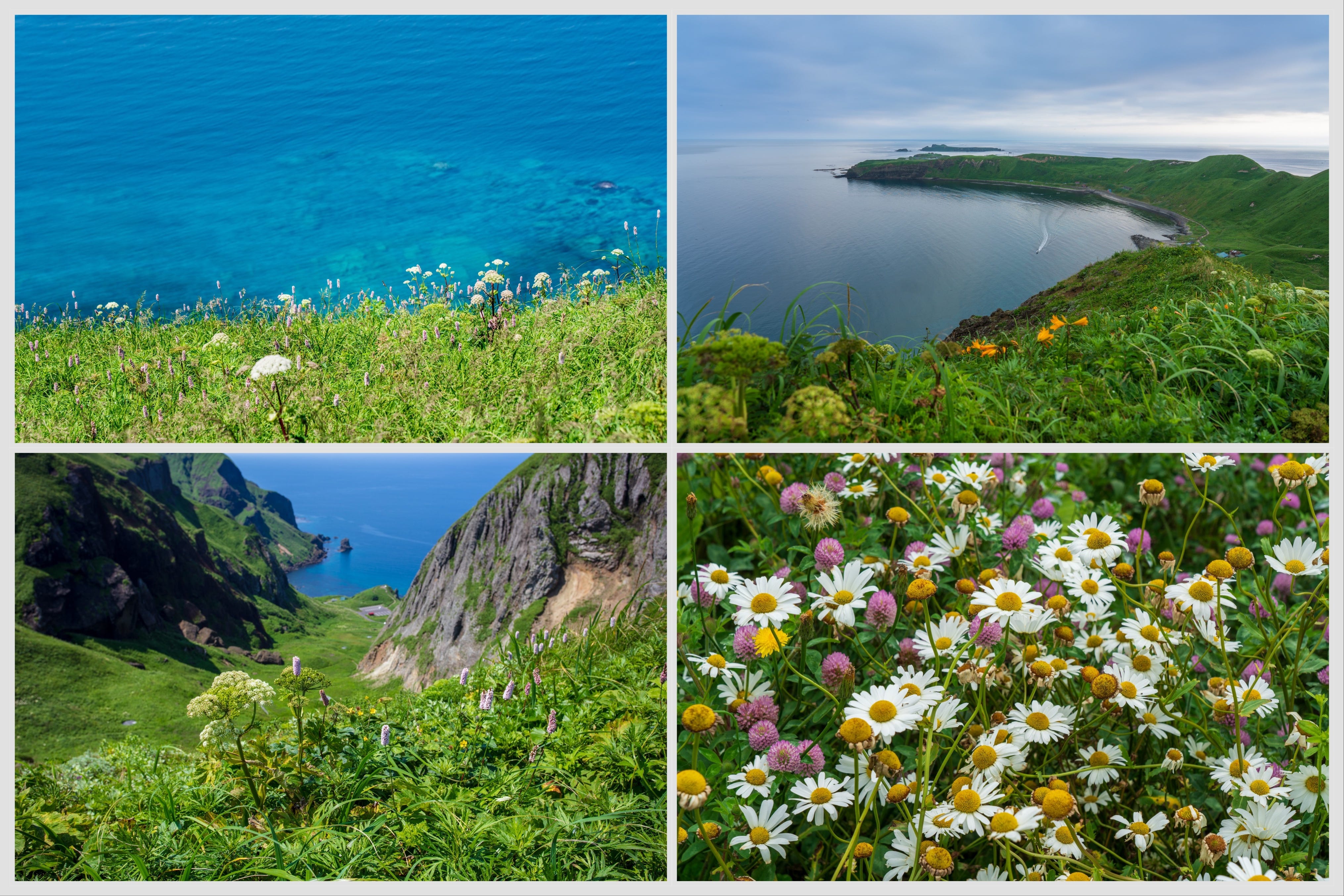
So instead, onto the good things. In my opinion, if there were ever any competition, it would end here: Rebun Island, located two hours off the coast of Wakkanai and just 40 minutes from neighboring Rishiri Island, is the most picture-perfect place in Japan. This is the Switzerland or New Zealand type of picture-perfectness I am talking about—the rolling hills, turquoise waters, lakes, wildflowers, and shores frequented by seals— all coming together to form a scene that, on a sunny day, feels truly idyllic. This is also the kind of beauty I once declared did not exist in Japan: the effortless, postcard-like beauty that needs no contextual knowledge or comparison to be appreciated, the kind that seems almost too good to be true.